

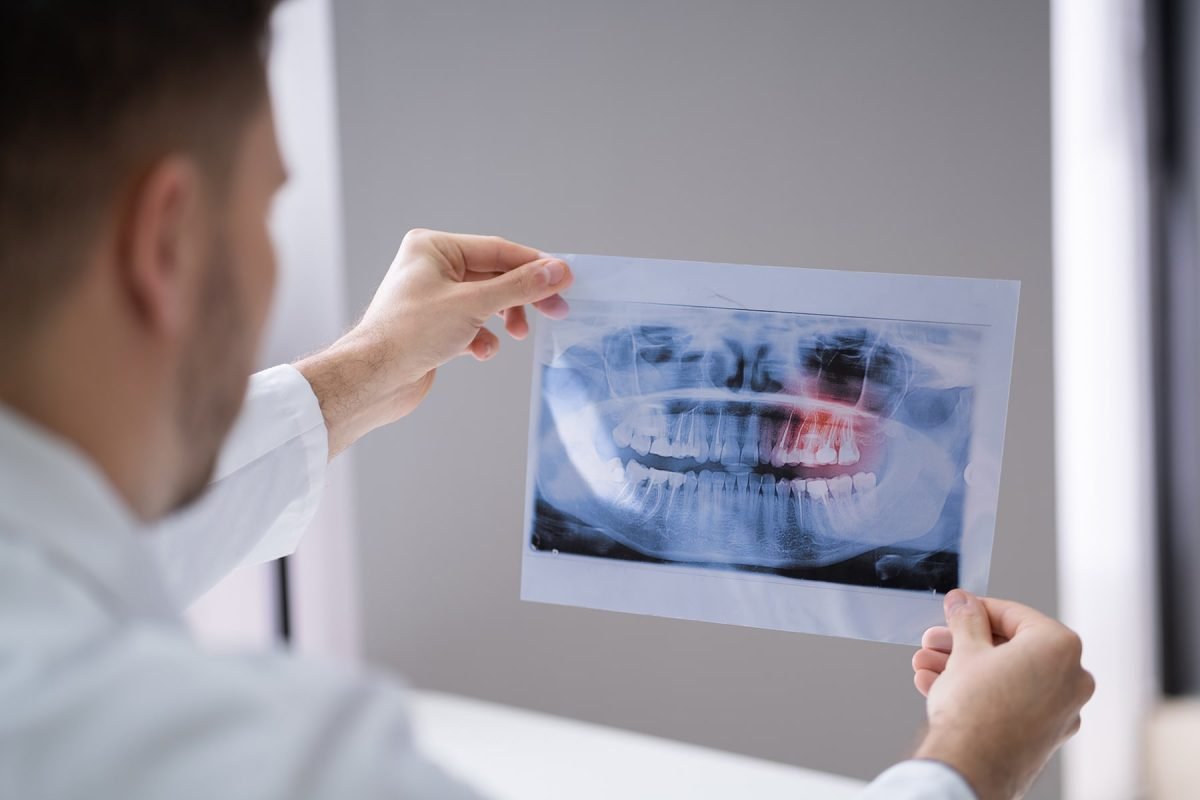
Wisdom teeth typically emerge in the late teens or early twenties and are a common source of dental concerns for many people. They don’t always fit properly in the mouth; for many individuals, wisdom teeth need to be removed to prevent a range of oral health issues, including impaction, infection, and overcrowding of teeth. But when exactly is the right time to have your wisdom teeth removed? Let’s explore the key signs and considerations that may help you determine when it’s time for an extraction.
What Are Wisdom Teeth, and Why Do They Need to Be Removed?
Wisdom teeth are the last set of molars at the back of your mouth that typically appear between the ages of 17 and 25. They were useful to our early ancestors for grinding plant material, but in modern times, they are often unnecessary. These teeth can become problematic when they don’t have enough space to emerge properly, resulting in impaction, infection, or overcrowding.
What Are the Risks of Not Removing Wisdom Teeth When Recommended?
- Impaction: When there is not enough room for the teeth to emerge, they may become trapped in the jawbone or beneath the gums, leading to pain and swelling.
- Crowding: Wisdom teeth can push against adjacent teeth, causing alignment issues with your smile.
- Infection: Partially erupted wisdom teeth can create pockets in the gums where bacteria can accumulate, leading to infection and swelling.
At What Age Should I Consider Having My Wisdom Teeth Removed?
The ideal age to consider wisdom teeth removal is typically between 17 and 25 years old. This is when the teeth are still developing, and the roots haven’t fully formed, making extraction easier and recovery faster.
Removing wisdom teeth at a younger age can help prevent future complications such as impaction, infection, or damage to nearby teeth. When the teeth are fully erupted and the roots have developed, the procedure becomes more complex, and recovery may take longer.
What Are the Common Symptoms Indicating the Need for Wisdom Teeth Extraction?
- Pain in the back of the mouth: Persistent discomfort or tenderness around your wisdom teeth is a strong indication that they may need to be extracted.
- Swelling or tenderness in the gums: Inflamed or swollen gums, especially around the wisdom teeth, can indicate infection or an impaction.
- Difficulty opening your mouth or chewing: Limited mouth movement or pain while eating could be signs that your wisdom teeth are causing problems.
- Bad breath or an unpleasant taste: If food particles or bacteria are trapped around your wisdom teeth, it can lead to foul odors and a persistent bad taste.
- Cysts or infection: Infected wisdom teeth or cysts in the gum tissue can cause severe discomfort and should be evaluated by an oral surgeon.
How Is Wisdom Teeth Removal Performed by Oral Surgeons?
At Seven Oaks Oral & Maxillofacial Reconstructive Surgeons, wisdom teeth removal is a precise, streamlined process. Here’s what you can expect during the procedure:
- Consultation and Evaluation: Our oral surgeons will conduct a thorough examination, often using advanced 3D cone beam technology to create detailed images of your teeth and jaw.
- Sedation Options: We offer multiple sedation options, including local anesthesia, IV sedation, and general anesthesia, ensuring that you remain comfortable and relaxed throughout the procedure.
- Extraction: The wisdom teeth will be carefully removed. If they are impacted, your oral surgeon may need to make a small incision in the gum or bone to extract the tooth.
- Recovery and Aftercare: After the procedure, your oral surgeon will provide detailed instructions on how to care for your mouth during recovery.
What Type of Anesthesia Is Used During Wisdom Teeth Extraction?
During wisdom teeth removal, your comfort is our top priority. We offer several anesthesia options to suit your needs:
- Local Anesthesia: Numbs the area around the wisdom teeth while you remain awake.
- IV Sedation: Helps you relax deeply while remaining conscious.
- General Anesthesia: Involves complete sedation, ideal for patients who prefer to be fully asleep during the procedure.
What Is the Recovery Time After Wisdom Teeth Extraction?
Recovery time varies depending on the complexity of the procedure and the number of teeth removed. Generally, you can expect the following:
- First 3-5 Days: Initial healing, pain management, and swelling are most significant during this time.
- 2-4 Weeks: Complete healing and recovery, though most patients feel much better after the first week.
Your oral surgeon will provide aftercare instructions, including recommendations for pain management, swelling reduction, and activity limitations.
How Can I Manage Pain and Swelling After the Procedure?
After wisdom teeth removal, it’s normal to experience some discomfort. Here’s how you can manage it:
- Pain Relief: Over-the-counter medications such as ibuprofen or prescribed painkillers will help alleviate pain.
- Swelling: Apply ice packs to your face for the first 24 hours to reduce swelling, and keep your head elevated while resting.
Are There Any Dietary Restrictions After Wisdom Teeth Extraction?
For the first few days after your procedure, it’s important to stick to soft foods and liquids. Here are some dietary guidelines:
- First Few Days: Soft foods like mashed potatoes, yogurt, and smoothies are ideal.
- Avoid: Hard, crunchy, or spicy foods that could irritate your surgical site or dislodge blood clots.
When Can I Return to Normal Activities After Having My Wisdom Teeth Removed?
You’ll need to take it easy for the first few days following the procedure. Here’s what you can expect:
- Rest: Take 1-2 days off to rest and recover.
- Light Activities: After 3-4 days, you can return to light activities, but avoid strenuous exercise for at least one week.
- Full Recovery: It may take 2-4 weeks to fully recover, depending on the complexity of the extraction.
Schedule a Wisdom Teeth Consultation in Lake Orion, MI
If you’re experiencing any symptoms or think it may be time to have your wisdom teeth removed, contact Seven Oaks Oral & Maxillofacial Reconstructive Surgeons in Lake Orion, MI to schedule an initial consultation. Our expert team is here to provide compassionate care and ensure the best possible outcome for your oral health.